
Life as an international student is not only about studying in a different country – it is a complete change of the way you think, live, and even view the world. It is exhilarating, discomforting, motivating, and daunting, all at the same time. And when you are already undergoing the experience, you realise that it is not only about lectures and assignments; you are creating your life there, in a place that initially seemed totally foreign.
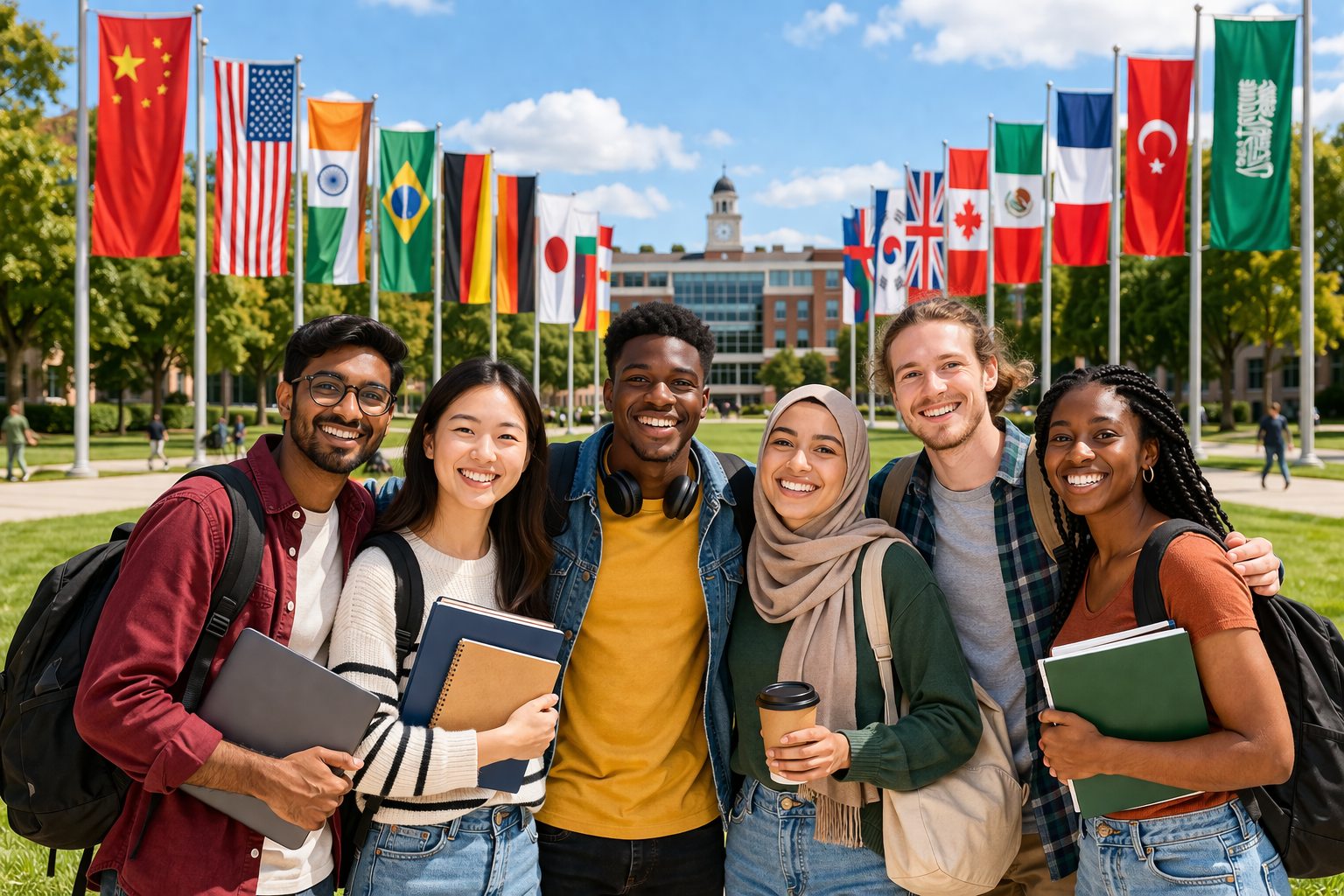
Among the first impressions an international student has is the sense of incessant newness. Everything – language, food, the way people communicate – can be different. The simplest activities, such as grocery shopping or boarding buses and trains, can be inconveniences in the early stages. This may be annoying initially. However, with time these day‑to‑day experiences turn into victories. Slowly, you get yourself out of the mud of perplexity and into clarity – and that is among the most gratifying states in the process.
Although you may be fluent in the language of your host country, it takes time to comprehend accents, slang, and informal expressions. You might be afraid of making a mistake. But those are the moments of growth. The goal is not to be a perfect communicator – it is to be connected. The more you practice, the more natural it becomes.
The Gift of Independence
For many international students, this is the first time they are staying alone. You have to take care of everything by yourself: budgeting, cooking, cleaning, and planning your time. This can feel overwhelming at times. You miss home – especially during holidays or when you are going through hard times. But this independence builds resilience. You become more aware of how to solve your own problems, make your own decisions, and take responsibility for your life in a way you might not have experienced before.
Academic Adaptation
Teaching styles vary greatly between countries. You may discover classes to be more interactive, or that critical thinking is stressed more than memorisation. Initially, it can be difficult to acclimatise to this new system. Your study habits may need to be adjusted – you might have to engage in discussions more frequently or handle a larger quantity of work. These struggles, however, help you acquire new skills: flexibility, critical thinking, and the ability to present your ideas clearly.
Building a Social Life in a New Land
Making friends as a foreign student can feel terrifying, especially when the culture is different. Humour, communication styles, or social norms may be unlike what you are used to. At times, you may be tempted to become an outcast. But being an international student also gives you the chance to meet people from all over the world. You can connect with those who share the same kind of experience – people who are going through it together. The bonds formed in those circumstances can be very strong.
“The friendships you build as an international student often become family away from home. They understand your struggles because they are living them too.”
Food, Homesickness, and Financial Management
One area where many international students miss home is food. However good the local cuisine may be, there is an irreplaceable flavour to the dishes you grew up with. You may find yourself searching for restaurants that offer your country’s food, or learning how to prepare your favourite meals. Interestingly, this leads to a greater appreciation of your own culture. At the same time, you begin to love and accept parts of the new culture, forming a blend of identities.
Homesickness is almost universal. It may strike spontaneously – at the end of a long day, on a holiday, or when you visit a place that reminds you of home. Technology helps you stay in touch with family and friends, but it is not the same as being there. Over time, you learn to manage these feelings. You develop a support network, create new habits, and gradually settle into your new home.
Financial management is another important part of the journey. Costs in a foreign country can be higher, and you must be cost‑conscious. Many students work part‑time to support themselves. Balancing work and study teaches time management and discipline – valuable skills for life.
The Dual Identity
One of the most profound changes is the way you perceive yourself. Living in a foreign country pushes you out of your comfort zone in ways you may not have chosen. You are forced to adapt quickly, improvise, and think on your feet. At times, you may feel caught between two worlds. Your home country never leaves you, but your host country also becomes an important part of your life. You adopt habits, worldviews, and experiences from both. This dual identity can be confusing, yet it is also something special and worthwhile. It enables you to relate to people and cultures in ways that others may not fully understand.
Looking Back: More Than an Education
In retrospect, most international students realise that this was never just an educational journey. It is about growth. It is not only about learning from books, but about learning from life. The hardships, the small victories, the friendships, the self‑reliance – all of it shapes who you become.
Being an international student is not always easy. It requires courage, patience, and resilience. But it is also one of the most transformative experiences you can have. It gives you the tools to cope with the unfamiliar, to embrace diversity, and to build a life anywhere in the world. And once you have lived it, that experience stays with you forever.
Your motherland will never leave you, and your host country also becomes part of your story. You learn to live with both. That duality is not a burden – it is a superpower.